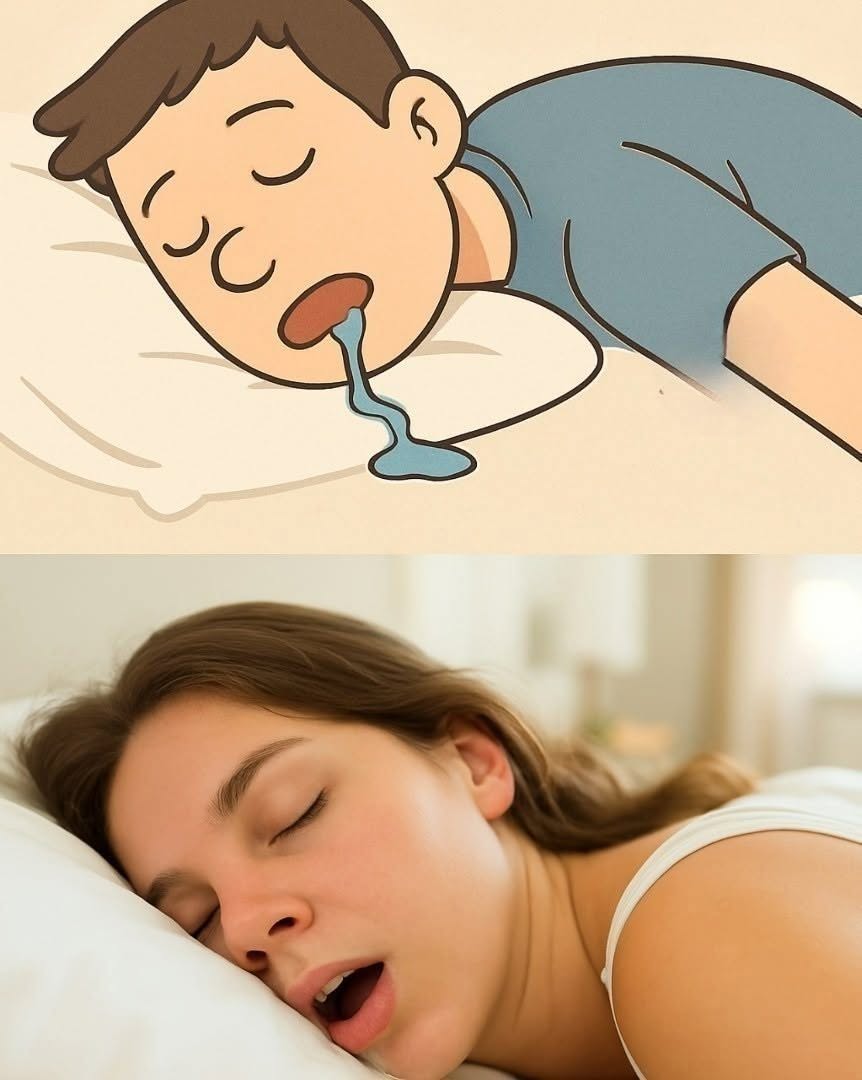
Drooling during sleep is something many people experience but rarely talk about openly.
Waking up with a damp pillow can be surprising, embarrassing, and sometimes puzzling.
While occasional drooling is completely normal, frequent or excessive drooling can signal underlying health concerns.
A Personal Experience
I first noticed my drooling in my late twenties while sleeping next to my partner. I woke up mortified — a full puddle on my pillowcase.
At first, I assumed I was just “a drooler.” I slept on my side, had seasonal allergies — it seemed normal.
But during a routine checkup, I mentioned it to my doctor. She asked a series of questions:
- Do you snore?
- Do you wake up tired?
- Any morning headaches?
- Has anyone noticed you stop breathing during sleep?
The answers revealed something I hadn’t considered: I had obstructive sleep apnea (OSA).
The drooling wasn’t the problem — it was a symptom of a larger issue.
Why Do We Drool During Sleep? (Normal Reasons)
Drooling, or sialorrhea, occurs when saliva escapes from the mouth.
During the day, we swallow hundreds of times unconsciously.
At night, swallowing slows, and gravity can make saliva flow out.
Common normal causes include:
- Sleeping position: Side or stomach sleepers are more likely to drool.
- Nasal congestion: Allergies, colds, or sinus infections can force mouth breathing.
- Pregnancy: Hormonal changes can increase saliva production.
- Medications: Some drugs increase saliva or reduce swallowing.
- Age: Infants, toddlers, and older adults may drool naturally.
If drooling is occasional and without other symptoms, it’s usually harmless.
6 Health Conditions That Can Cause Frequent Drooling
- Obstructive Sleep Apnea (OSA)
- Airway obstruction during sleep causes mouth breathing and excess saliva.
- Symptoms: Loud snoring, gasping, morning headaches, daytime sleepiness, high blood pressure.
- Action: Consult a doctor; treatments include CPAP, oral appliances, or position therapy.
- Allergies and Chronic Nasal Congestion
- Blocked nasal passages force mouth breathing.
- Symptoms: Stuffy nose, sneezing, itchy eyes, post-nasal drip, dry mouth.
- Action: Antihistamines, nasal sprays, saline rinses, or allergist consultation.
- Gastroesophageal Reflux Disease (GERD)
- Acid reflux at night triggers extra saliva production (water brash).
- Symptoms: Heartburn, regurgitation, chest pain, chronic cough.
- Action: Lifestyle changes, antacids, H2 blockers, or proton pump inhibitors.
- Neurological Conditions (Parkinson’s, Stroke, Cerebral Palsy)
- Impaired swallowing leads to saliva pooling and drooling.
- Symptoms: Difficulty swallowing, coughing, choking, weight loss, tremors, facial weakness.
- Action: Immediate medical consultation; therapy with speech-language pathologist.
- Medication Side Effects
- Some medications (antipsychotics, cholinesterase inhibitors, sedatives) increase saliva or relax swallowing muscles.
- Action: Discuss alternatives with your doctor; never stop medication on your own.
- Dental Issues or Oral Infections
- Ill-fitting dentures, braces, or infections increase saliva and hinder swallowing.
- Symptoms: Pain, bleeding gums, sores, difficulty chewing.
- Action: See a dentist for adjustments or treatment.
When to See a Doctor
Consult a doctor if you notice:
- Sudden or worsening drooling
- Drooling with snoring or daytime fatigue
- Swallowing difficulties
- Weakness on one side of the body or face
- Voice changes
- Unexplained weight loss
- Fever, neck stiffness, or confusion
These could signal sleep apnea, neurological issues, reflux, or infections.
Simple Strategies to Reduce Drooling Tonight
- Sleep on your back; gravity keeps saliva in the mouth.
- Treat nasal congestion with saline rinses or humidifiers.
- Take an antihistamine if allergies contribute.
- Avoid late-night meals to reduce GERD-related drooling.
- Stay hydrated to thin saliva.
- Practice swallowing exercises during the day.
- Consider a mouthguard if teeth grinding is an issue.
- Maintain good oral hygiene and consult your dentist.
Frequently Asked Questions
- Is drooling normal? Yes, occasional drooling is common, especially in side/stomach sleepers.
- Can stress cause drooling? Indirectly — through GERD, teeth grinding, or disrupted sleep.
- Why do some nights cause more drooling? Sleep position, congestion, late meals, and sleep phase can all affect it.
- Can drooling irritate the skin? Yes, enzymes in saliva may irritate corners of the mouth or chin. Use moisturizer or barrier cream.
- Is there a cure? Treating underlying causes usually resolves drooling. Severe cases may require medication or medical intervention.
Conclusion
Drooling is normal and not shameful, but sometimes it signals a deeper issue.
Occasional drooling may result from sleep position, congestion, or late-night eating.
Chronic or excessive drooling could indicate sleep apnea, GERD, allergies, medication side effects, or neurological conditions.
The key is awareness: notice patterns, ask questions, and consult your doctor if necessary.
Early recognition can improve your sleep, overall health, and quality of life.
Remember, small changes — like adjusting sleep position, managing allergies, or treating reflux — can make a big difference.
Proper care and attention ensure that you sleep better, wake refreshed, and maintain a healthier lifestyle.
Now it’s your turn: Do you notice regular drooling at night? Any accompanying symptoms? Sharing your experiences may help others recognize patterns and seek proper care.