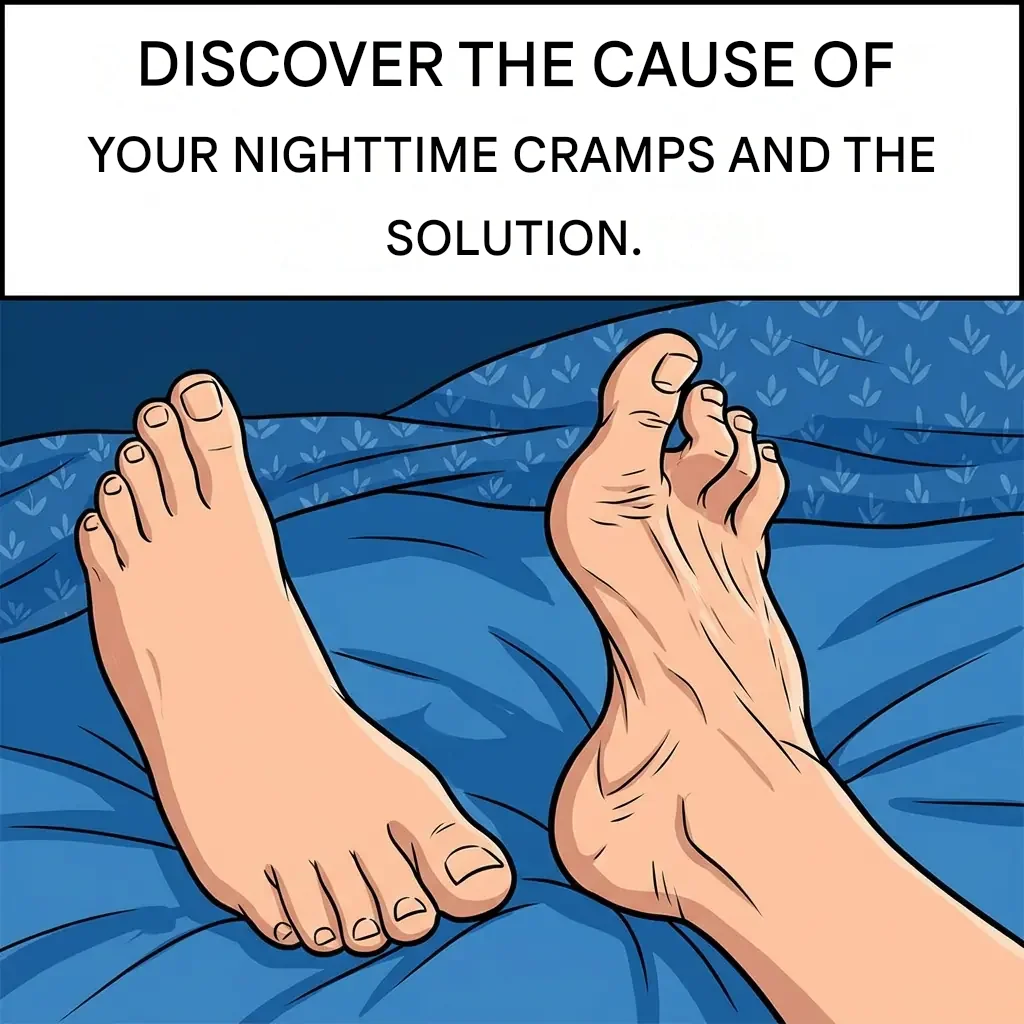
In the middle of the night, a sudden pain jolts you awake: a cramp strikes without warning. This muscle spasm, however brief, can ruin your rest and leave you with a persistent feeling of discomfort. But where does this phenomenon come from, and, more importantly, how can you prevent it from recurring? Don’t panic: simple solutions exist to help you get back to peaceful nights.
Nighttime cramps, those sudden and involuntary contractions that often affect the calves, feet, or thighs, occur without warning. They last from a few seconds to several minutes and sometimes leave a lingering discomfort. To better understand them, let’s examine the most common causes.
The origins of leg cramps at night
A lack of hydration
If you don’t drink enough water during the day, your body can become dehydrated. This disrupts the balance of electrolytes—such as potassium, magnesium, and calcium—which are essential for proper muscle function. As a result, your muscle fibers become more prone to involuntary contractions.
Essential mineral deficiencies
A deficiency in magnesium, calcium, or potassium is a common trigger for cramps. These nutrients allow muscles to contract and relax properly. Without them, this cycle is disrupted.
Slowed blood circulation
Sitting or lying down for extended periods without moving slows circulation, especially in the legs. Deprived of sufficient oxygen, muscles become more vulnerable to spasms during rest periods.
Accumulated muscle fatigue
After a busy day – intense exercise, long walks, or prolonged standing – your muscles may react by involuntarily contracting once night falls. It’s a kind of muscle memory that reminds you of its presence.
The sleeping position
Sleeping with your feet pointed downwards (toes extended) shortens the calf muscles. This position promotes cramps because it keeps the muscle in a posture that predisposes it to contraction.
Certain medical conditions
Pregnancy, diabetes, thyroid disorders, or nervous system problems can increase the frequency of nighttime cramps. These conditions alter the body’s internal balance.
Side effects of medications
Certain medications, such as diuretics, statins, or beta-blockers, are known to increase the likelihood of cramps. If you are taking these types of medications, it is advisable to discuss this with your doctor.
Practical tips to prevent nighttime cramps
Stay hydrated.
Drink water throughout the day, not just when you’re thirsty. In hot weather or during physical exertion, supplement with electrolyte-rich drinks to maintain mineral balance.
Adopt gentle stretching techniques
Before going to bed, take a few minutes to stretch your calves, thighs, and feet. A short yoga session or light movements will help release muscle tension.
Take care of your sleeping posture
Avoid sleeping with your feet stretched out. Keep them in a neutral position: place a cushion under your ankles to maintain a comfortable angle.
Massage your legs and apply heat
A gentle massage or a warm towel placed on the muscles before bedtime promotes relaxation and reduces the risk of spasms.
Monitor your diet
Choose foods rich in magnesium (almonds, seeds, spinach), potassium (bananas, sweet potatoes), and calcium (dairy products, green vegetables). A balanced plate is your best ally.
Consider compression stockings.
If you spend long hours sitting or standing, these stockings improve blood circulation in the legs and can reduce cramps.
Limit caffeine and alcohol
These substances promote dehydration and worsen mineral imbalances. Moderate consumption is recommended, especially in the evening.
When should you consult a healthcare professional?
If your cramps become very frequent, particularly painful, or last more than a few minutes, it’s wise to consult a doctor. They could indicate an underlying problem requiring appropriate monitoring. By incorporating these simple steps into your daily routine, you give your legs every chance of enjoying peaceful nights… and waking up feeling great!