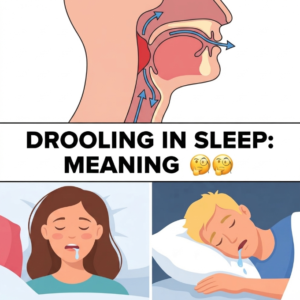
You open your eyes in the morning, turn your head, and notice an uncomfortable damp patch on your pillow. Your cheek may feel sticky, the pillowcase may need washing, and your first reaction may be embarrassment. However, drooling during sleep is extremely common and, in many cases, completely harmless.
Nighttime drooling happens when saliva escapes from the mouth instead of being swallowed. This can occur because of your sleeping position, relaxed facial muscles, nasal congestion, medication, digestive problems, or certain sleep-related conditions.
Although a damp pillow is usually nothing to worry about, it can sometimes provide useful information about your breathing, sleep quality, posture, or general health. The key is to look at how often it happens and whether it is accompanied by other symptoms.
Why Do We Produce Saliva During Sleep?
Saliva is constantly produced by glands located in and around the mouth. It plays several important roles in maintaining oral and digestive health.
Saliva helps to:
- Keep the mouth moist
- Protect the teeth and gums
- Wash away food particles and bacteria
- Begin the digestion of certain foods
- Make chewing and swallowing easier
- Protect the lining of the mouth from irritation
Saliva production usually decreases during sleep, but it does not stop completely. Most people continue swallowing small amounts of saliva without realizing it. Drooling occurs when saliva collects in the mouth and escapes because the lips are open or swallowing becomes less frequent.
Deep Sleep and Muscle Relaxation
One possible explanation for nighttime drooling is simple muscle relaxation.
As you enter deeper stages of sleep, many muscles throughout the body relax. The muscles of the jaw, lips, tongue, and throat are included in this process. When these muscles become very relaxed, the mouth may open slightly.
If you are sleeping on your side or stomach, saliva can then move toward the opening of the mouth and flow onto the pillow.
For some people, occasional drooling may simply mean that they reached a deeply relaxed stage of sleep. However, drooling alone is not a reliable measurement of sleep quality. It does not automatically prove that you slept well, nor does its absence mean that your sleep was poor.
Your overall sleep quality should also be judged by how refreshed you feel, whether you wake frequently, and whether you experience daytime sleepiness.
Sleeping Position and the Effect of Gravity
Your sleeping position is one of the most common reasons for waking up with a damp pillow.
Sleeping on Your Side
When you sleep on your side, gravity can pull saliva toward the lower side of your mouth. If your lips are slightly open, the saliva may leak out before you swallow it.
Side sleeping is not necessarily unhealthy. In fact, many people find it comfortable, and it may even be recommended for certain sleep-related breathing problems. However, it can make drooling more noticeable.
Sleeping on Your Stomach
Stomach sleeping can also encourage drooling because the face is often turned to one side and pressed against the pillow. This position may leave the mouth partly open, allowing saliva to escape easily.
Sleeping on Your Back
People who sleep on their backs may drool less because saliva naturally moves toward the back of the mouth, where it can be swallowed.
However, sleeping on the back is not the ideal solution for everyone. In some people, especially those who snore or have obstructive sleep apnea, back sleeping may allow the tongue and soft tissues to move backward and narrow the airway.
Therefore, changing sleep position should depend on your comfort, breathing, and overall health rather than drooling alone.
A Blocked Nose Can Force You to Breathe Through Your Mouth
Nasal congestion is another frequent cause of nighttime drooling.
Under normal conditions, most people breathe through the nose while sleeping. If the nasal passages become blocked, the body automatically opens the mouth to maintain airflow.
Once the mouth stays open, saliva is more likely to escape.
Common causes of nighttime nasal congestion include:
- A cold or viral infection
- Seasonal allergies
- Allergic rhinitis
- Sinus inflammation
- Nasal polyps
- A deviated nasal septum
- Dry bedroom air
- Exposure to dust, smoke, mold, or pet dander
If your drooling becomes worse during allergy season or when you have a cold, nasal congestion is a likely explanation.
How to Relieve Nasal Congestion Before Bed
Several simple measures may help improve nasal breathing:
- Use a saline nasal spray
- Rinse the nasal passages with a properly prepared saline solution
- Take a warm shower before bed
- Keep the bedroom free from dust
- Wash pillowcases and bedding regularly
- Use a humidifier when the air is excessively dry
- Keep pets out of the bedroom if they trigger allergies
- Discuss persistent allergies with a healthcare professional
When using a humidifier, clean it frequently. A poorly maintained humidifier can spread mold, bacteria, or other irritants into the air.
Decongestant nasal sprays may provide temporary relief, but they should not be used for longer than recommended because excessive use can cause rebound congestion.
Allergies and Nighttime Drooling
Allergies can affect both breathing and saliva control.
When the nasal passages are swollen, mouth breathing becomes more likely. Allergies may also cause coughing, throat irritation, sneezing, watery eyes, or postnasal drip.
Postnasal drip occurs when mucus moves from the nose or sinuses toward the back of the throat. This can lead to frequent swallowing, throat clearing, coughing, or disturbed sleep.
If you regularly wake with a dry mouth, blocked nose, sore throat, and damp pillow, allergies may be contributing to the problem.
Excessive Saliva Production
Some people produce more saliva than others. Excessive saliva production is sometimes called hypersalivation or sialorrhea.
Hypersalivation does not always mean that the salivary glands are producing an unusually large amount of saliva. In some cases, normal saliva production becomes difficult to manage because swallowing is reduced or the lips do not remain fully closed.
Possible causes include:
- Acid reflux
- Nausea
- Pregnancy
- Mouth or throat irritation
- Dental problems
- Poorly fitting dentures
- Certain infections
- Difficulty swallowing
- Some medications
- Neurological or muscular conditions
Occasional increased saliva is usually temporary. Persistent hypersalivation, especially during both the day and night, deserves medical attention.
Acid Reflux May Play a Role
Gastroesophageal reflux occurs when stomach contents move backward into the esophagus. Some people experience obvious heartburn, while others have less typical symptoms.
Possible signs of reflux include:
- A sour or bitter taste in the mouth
- Burning in the chest or throat
- Frequent burping
- Throat clearing
- Hoarseness
- Coughing at night
- A feeling of mucus in the throat
- Worsening symptoms after heavy meals
- Increased saliva production
When acid reaches the esophagus or throat, the body may produce additional saliva to help neutralize and clear the irritation. This reaction is sometimes referred to as water brash.
Eating a large meal shortly before bed, lying down immediately after eating, and consuming fatty or spicy foods may worsen reflux symptoms.
Eating Habits That May Contribute
Your evening routine can influence nighttime drooling, particularly if reflux or nausea is involved.
Try to avoid:
- Very large dinners
- Eating immediately before lying down
- Excessively fatty meals
- Heavy fried foods
- Large amounts of alcohol
- Foods that clearly trigger heartburn
- Excessive late-night snacking
A lighter evening meal eaten several hours before sleep may help some people.
However, food triggers differ from one person to another. Keeping a brief record of meals and symptoms can help identify patterns.
Medications and Saliva Production
Some medications can change saliva production, swallowing, muscle tone, or sleep quality.
Certain medicines cause dry mouth, while others may increase salivation or make it more difficult to swallow saliva normally.
Medications that may contribute to drooling in some individuals include certain:
- Antipsychotic medicines
- Sedatives
- Medications used for neurological conditions
- Treatments that affect muscle control
- Drugs that cause nausea
- Medicines that increase deep relaxation
Many antihistamines and antidepressants are more commonly associated with dry mouth rather than increased saliva, although individual reactions vary.
Never stop a prescribed medicine because of drooling without speaking to a doctor or pharmacist. A healthcare professional can review the dose, timing, side effects, and possible alternatives.
Dental and Oral Health Problems
Problems inside the mouth may increase saliva production or make it harder to keep the lips closed.
Possible contributors include:
- Gum inflammation
- Tooth infection
- Mouth ulcers
- Poorly fitting dentures
- Jaw pain
- Swelling in the mouth
- A painful tooth
- Recent dental treatment
- Problems with the tongue or oral muscles
The body may produce additional saliva when the mouth is irritated. Pain may also cause you to sleep with your mouth open.
If drooling is accompanied by toothache, swelling, bleeding gums, bad breath, or difficulty chewing, a dental examination is recommended.
Enlarged Tonsils and Throat Obstruction
Enlarged tonsils or adenoids can interfere with normal breathing, particularly in children but also in some adults.
Signs may include:
- Mouth breathing
- Loud snoring
- Restless sleep
- Difficulty swallowing
- A nasal-sounding voice
- Frequent sore throats
- Pauses in breathing during sleep
- Daytime tiredness or irritability
When the airway is partially obstructed, the mouth may remain open throughout the night, increasing the likelihood of drooling.
Is Drooling Connected to Sleep Apnea?
In some cases, frequent drooling can occur alongside obstructive sleep apnea.
Sleep apnea is a condition in which breathing repeatedly stops or becomes restricted during sleep. These interruptions may happen many times during the night, preventing restorative rest even when the person does not fully wake up.
Drooling does not prove that someone has sleep apnea. However, it should receive more attention when combined with symptoms such as:
- Loud, chronic snoring
- Gasping or choking during sleep
- Witnessed pauses in breathing
- Morning headaches
- Severe daytime sleepiness
- Difficulty concentrating
- Irritability
- Dry mouth upon waking
- High blood pressure
- Frequent nighttime urination
- Restless or fragmented sleep
Untreated sleep apnea can affect cardiovascular health, concentration, mood, and daytime safety. A medical evaluation or sleep study may be necessary when these warning signs are present.
Difficulty Swallowing
Persistent drooling may sometimes indicate a swallowing problem, known medically as dysphagia.
Swallowing requires coordination between many muscles and nerves. When this process is disrupted, saliva may accumulate in the mouth.
Warning signs of a swallowing problem include:
- Coughing or choking while eating
- Food feeling stuck in the throat
- A wet or gurgling voice after swallowing
- Recurrent chest infections
- Unexplained weight loss
- Difficulty swallowing pills
- Taking much longer to finish meals
- Drooling during the daytime
- Frequent throat clearing
These symptoms should not be ignored, particularly in older adults or people with neurological conditions.
Neurological and Muscular Conditions
Rarely, excessive drooling can be associated with conditions that affect muscle control, swallowing, or facial movement.
These may include certain neurological diseases, previous stroke, nerve injuries, or neuromuscular disorders.
In these situations, drooling is usually not the only symptom. It may be accompanied by:
- Facial weakness
- Changes in speech
- Difficulty swallowing
- Muscle stiffness
- Tremors
- Loss of coordination
- Weakness on one side of the body
- Sudden confusion
Sudden drooling combined with facial weakness, difficulty speaking, severe headache, or weakness in an arm or leg may be a medical emergency.
Drooling During Pregnancy
Some pregnant women notice increased saliva production, particularly during the first trimester.
This may be related to hormonal changes, nausea, vomiting, heartburn, or difficulty swallowing excess saliva. The condition is generally temporary and improves as pregnancy progresses.
Pregnant individuals should discuss severe hypersalivation with a healthcare professional, especially if it interferes with eating, drinking, hydration, or sleep.
Alcohol and Sedative Use
Alcohol and sedative substances can relax the muscles of the mouth and throat. They may also reduce the frequency of swallowing and worsen snoring.
As a result, saliva may escape more easily during sleep.
Alcohol can also disrupt normal sleep cycles. Although it may make a person fall asleep quickly, it often leads to poorer sleep quality, more awakenings, dehydration, and worsening of sleep-disordered breathing.
Reducing alcohol near bedtime may improve both drooling and overall sleep.
Dehydration Does Not Always Mean Less Drooling
It may seem logical that dehydration would reduce saliva, but the situation is more complicated.
When you are dehydrated, saliva may become thicker and stickier. This can make swallowing less comfortable and may contribute to mouth breathing or an unpleasant coating in the mouth.
Proper hydration during the day supports normal saliva consistency and oral health. However, drinking excessive amounts immediately before bed may lead to repeated bathroom visits and interrupted sleep.
Aim for steady hydration throughout the day rather than consuming a large volume late at night.
Can an Ergonomic Pillow Help?
A supportive pillow may help improve head and neck alignment. This can make it easier to maintain a comfortable sleeping position and may reduce mouth opening in some individuals.
The ideal pillow depends on your usual position:
- Side sleepers generally need a pillow that fills the space between the shoulder and head.
- Back sleepers often benefit from moderate neck support.
- Stomach sleepers usually need a thinner pillow to avoid excessive neck rotation.
An ergonomic pillow cannot treat nasal obstruction, sleep apnea, reflux, or swallowing disorders. However, it may improve comfort and help reduce position-related drooling.
Practical Ways to Limit Nighttime Drooling
If nighttime drooling is occasional and not associated with concerning symptoms, the following strategies may help.
Improve Nasal Breathing
Use saline spray or an appropriate nasal rinse, manage allergies, and keep the bedroom air comfortable.
Review Your Sleeping Position
Notice whether drooling is worse when sleeping on your stomach or one particular side. A gradual position change may reduce leakage.
Avoid Heavy Late-Night Meals
Allow enough time between dinner and bedtime, especially if you experience reflux.
Limit Alcohol Before Bed
Alcohol can relax the throat and facial muscles and worsen breathing problems.
Stay Hydrated
Drink water regularly during the day to prevent thick, sticky saliva and dry mouth.
Maintain Good Oral Hygiene
Brush and floss regularly and attend dental checkups. Treating mouth irritation or dental disease may reduce excessive saliva.
Review Medications
Ask a doctor or pharmacist whether a medicine could be affecting saliva production, muscle control, or sleep.
Raise the Head Slightly
For people with reflux, a medically appropriate elevation of the upper body may help. Simply stacking several pillows is not always effective and can strain the neck. A wedge pillow or elevation of the bed may provide better support.
Wash Bedding Regularly
Even harmless drooling can leave moisture, odor, and bacteria on the pillowcase. Frequent washing can keep the sleeping environment cleaner and more comfortable.
What Not to Do
Avoid using unproven remedies that could create additional risks.
Do not:
- Tape your mouth shut when you have nasal obstruction, breathing problems, nausea, or suspected sleep apnea
- Stop prescribed medication without professional advice
- Use decongestant sprays continuously beyond the recommended period
- Ignore choking, breathing pauses, or daytime swallowing difficulty
- Assume that frequent drooling always means deep, healthy sleep
Mouth taping has become popular online, but it is not suitable for everyone. Anyone considering it should first make sure that nasal breathing is clear and that sleep apnea or another airway problem is not present.
When Is Nighttime Drooling Considered Normal?
Drooling is usually harmless when:
- It happens only occasionally
- It mainly occurs while sleeping on the side or stomach
- It becomes more noticeable during a cold or allergy flare
- It is not accompanied by breathing or swallowing difficulties
- You wake feeling rested
- It does not occur significantly during the daytime
Children often drool more than adults because their swallowing and oral muscle control are still developing. Temporary drooling can also occur during teething, respiratory infections, or deep sleep.
When Should You Speak to a Healthcare Professional?
Arrange a medical consultation if drooling:
- Happens every night and is becoming more severe
- Causes skin irritation around the mouth
- Occurs during the daytime
- Is associated with difficulty swallowing
- Begins suddenly without an obvious explanation
- Is accompanied by frequent choking
- Interferes with sleep or daily life
- Started after beginning a new medication
- Occurs with neurological symptoms
- Is associated with persistent reflux or vomiting
A doctor may ask about your sleep habits, medications, breathing, dental health, swallowing, and digestive symptoms. Depending on the suspected cause, you may be referred to a dentist, ear, nose and throat specialist, sleep specialist, neurologist, or swallowing therapist.
Warning Signs That Require Prompt Attention
Seek urgent medical care when drooling occurs with:
- Sudden facial drooping
- Difficulty speaking
- Weakness or numbness on one side
- Severe breathing difficulty
- Inability to swallow
- Swelling of the tongue or throat
- Repeated choking
- Confusion or loss of consciousness
These symptoms may indicate a serious allergic reaction, stroke, airway obstruction, poisoning, or another urgent condition.
The Bottom Line
Waking up with a damp pillow is usually a normal result of relaxed facial muscles, an open mouth, and gravity. Your sleeping position, a blocked nose, allergies, alcohol, reflux, oral irritation, or certain medications may make it more noticeable.
Occasional drooling is rarely a reason for concern. However, persistent or excessive drooling should not automatically be dismissed, especially when it is accompanied by loud snoring, breathing pauses, daytime exhaustion, difficulty swallowing, choking, or neurological changes.
Your pillow cannot provide a diagnosis, but it can offer a useful clue. Paying attention to patterns and accompanying symptoms can help you understand whether the issue is simply a harmless sleeping habit or something that deserves professional evaluation.
Sometimes a damp pillow means nothing more than that your mouth opened while you slept. At other times, it may be your body’s quiet way of drawing attention to your breathing, digestion, medication, or sleep quality.