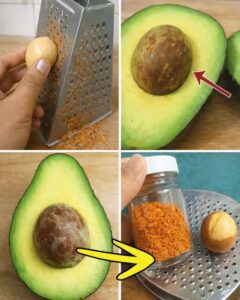
You scoop out that creamy avocado flesh for toast, salads, or guacamole, then toss the hard pit straight into the trash without a second thought. It’s frustrating—avocados are pricey, and that pit feels like wasted potential. What if that overlooked seed holds compounds that could add a little extra support to your daily health routine, from fighting oxidative stress to possibly aiding digestion? Research hints at promising possibilities, but with an important catch: most evidence comes from lab or animal studies, not large human trials. Stick around, because by the end, you’ll discover a simple, safe way to experiment with it yourself—without overdoing it.
What Makes Avocado Pits So Interesting?
Avocado pits (also called seeds) pack a punch of bioactive compounds often overshadowed by the fruit’s creamy flesh. Studies show they’re loaded with polyphenols, flavonoids, and fiber—elements that contribute to antioxidant and anti-inflammatory activity.
A comprehensive review highlights that avocado seeds contain proteins, lipids, vitamins, minerals, and phytochemicals like catechins, epicatechins, and procyanidins. These give the seed extracts strong antioxidant potential, sometimes higher than the flesh itself.
But here’s the key: while traditional uses in Latin American cultures include teas or remedies, modern science is still catching up. Most benefits stem from preliminary research, so view them as a complementary addition to a balanced lifestyle, not a miracle fix.

Rich Antioxidant Power You Might Not Expect
Antioxidants combat oxidative stress, which plays a role in aging and everyday wellness. Avocado seed extracts show impressive activity in lab tests, thanks to high levels of polyphenols and flavonoids.
Research indicates these compounds help neutralize free radicals effectively. In some comparisons, seed extracts outperform commercial antioxidants in certain assays.
But that’s not all… pairing them thoughtfully could enhance effects. For example, combining with vitamin C sources may improve absorption, as general nutrition guidelines suggest for polyphenol-rich foods.
Practical Tip: Start small if trying powder in recipes—¼ teaspoon max per serving to test tolerance.
Could It Offer Heart-Friendly Support?
Heart health tops many priority lists, and some animal studies point to avocado seeds helping manage cholesterol markers. Polyphenols and fiber may influence LDL and HDL levels positively in models.
One review notes potential anti-hypercholesterolemic effects from seed extracts. Human evidence remains limited, so think of this as part of a broader heart-smart approach—like eating more fruits, veggies, and healthy fats.
Combine with proven habits from the American Heart Association, such as limiting saturated fats.
Supporting Digestion the Natural Way
Fiber is digestion’s best friend, promoting regularity and gut comfort. Avocado pits contain notable fiber, which could add bulk when ground properly.
Experts like those at the Mayo Clinic emphasize fiber’s role in healthy bowel movements. Grinding allows tiny amounts to mix into foods without the toughness of the whole pit.
Here’s a quick list of fiber-friendly additions to consider alongside:
Oats or chia seeds for breakfast
Veggies like broccoli or beans
Fruits such as berries or apples
Start low to avoid any bloating—your gut will thank you.

Other Potential Perks Worth Noting
Lab research explores antimicrobial effects, where seed extracts inhibit certain bacteria in test settings. Traditional teas appear in cultural practices for minor issues, though anecdotal.
Anti-inflammatory properties show up in studies, potentially supporting overall comfort. Emerging work even looks at anti-obesity or blood sugar support in models.
The exciting part? These point to versatile uses, but always prioritize evidence-based choices.
Creative (and Safe) Ways to Use Avocado Pits
Ready to repurpose? Here are practical ideas:
Avocado Pit Tea
Rinse the pit, dry it, grate finely. Steep 1 tsp in hot water 10 minutes, strain. Enjoy the mild, earthy flavor occasionally.
Smoothie Boost
Dry at low heat (250°F for 1-2 hours), grind to powder. Add ¼ tsp to your blend for nutrients.
Natural Fabric Dye
Boil pits for a pinkish-red hue—great for eco-crafts.
Gentle Skin Scrub
Mix powder with coconut oil and sugar. Use lightly to exfoliate.
Tried any yet? Drop your favorites in the comments!
Step-by-Step: How to Prepare Avocado Pits Safely
Follow these steps to minimize risks:
Clean Thoroughly — Rinse off all flesh to prevent spoilage.
Dry Completely — Air-dry or oven at 250°F for 1-2 hours.
Grind — Use a strong blender for fine powder (wear gloves if grating).
Store — Airtight container in cool, dry spot; use within a month.
Start Small — Begin with tiny amounts to check tolerance.
The bitter taste comes from tannins—safe in moderation but potentially upsetting if too much.
Allergy Note: Patch-test or try a small food amount first.
Important Precautions Before You Start
Moderation matters. High doses in animal studies raise concerns about compounds like persin, though human risks appear low at small amounts.
Possible side effects include digestive discomfort from fiber or tannins. Avoid if pregnant, breastfeeding, or avocado-allergic—data is limited.
Polyphenols might interact with medications (e.g., blood thinners). Check with your doctor, especially if on meds.
If nausea, rash, or upset occurs, stop and consult a professional.
Where to Dive Deeper
Explore trusted sites like Healthline, WebMD, or Harvard Health for avocado nutrition insights. Plant-based cookbooks often share sustainable ideas.
Join eco-living communities for creative tips. Stay updated on emerging research—science evolves quickly.
The Road Ahead for Avocado Pit Research
Scientists continue exploring seeds for nutrition, cosmetics, and waste reduction. More human trials could clarify dosages and benefits.
For now, they offer an eco-friendly twist to wellness—reducing waste while experimenting mindfully.
Conclusion
That humble avocado pit isn’t just trash—it’s a source of intriguing compounds that may support antioxidant defenses, heart wellness, and digestion when used carefully. By preparing safely and starting small, you turn kitchen scraps into something useful. Next avocado? Save the pit and give it a whirl.
FAQ
Is it safe to eat avocado pits every day?
No—stick to occasional small amounts. Research lacks long-term human data, so moderation prevents potential digestive issues.
Can avocado pit powder replace supplements?
Not at all. It’s an experimental add-on, not a proven substitute for doctor-recommended options.
Do avocado pits really have more antioxidants than the flesh?
Some studies suggest seed extracts show higher activity in lab tests, but the flesh remains the primary edible part for overall nutrition.
Disclaimer: This article is for informational purposes only and does not constitute medical advice. Always consult your healthcare provider before adding new foods or supplements to your routine, especially if you have health conditions or take medications. Individual results may vary.