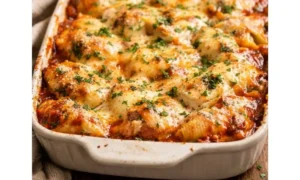
There are certain dinners that didn’t need an invitation. You could smell them from the driveway. You could hear the oven door open and close. You could tell—just by the sound of bubbling sauce and the faint scrape of a wooden spoon—that something special was happening in the kitchen.Kitchen supplies
Not fancy. Not trendy. But deeply comforting in a way that felt intentional, like someone planned ahead and cared enough to make something that took a little extra time. This wasn’t a quick skillet dinner. This was a bake-and-wait meal, the kind that filled the house with warmth long before it ever reached the table.
I remember these shells showing up most often on Sundays, usually after church, when the day slowed down and the kitchen became the center of everything. The radio would be on low. The counters were dusted with flour from something baked earlier. And the big baking dish—heavy, dependable, and slightly chipped at the corner—sat waiting to go into the oven.
Stuffed shells felt generous. They felt celebratory. And they always meant leftovers—neatly wrapped, labeled with masking tape, and tucked into the fridge for later in the week. Why Stuffed Shells Were Always a “Company Dish”
If you grew up in a house where food meant love, you know that certain recipes were saved for certain occasions. Stuffed shells weren’t weekday spaghetti. They weren’t the quick jar-and-noodle situation made between homework and ball practice.
This was company food.
Stuffed shells were what you made when:
Family was coming over
Someone needed feeding
You wanted to stretch a pound of beef into something filling
You wanted the table to feel full, even before the plates were served
The shells themselves did half the work. Big, curved, and sturdy, they held onto every bit of that creamy ricotta filling. The beef made it hearty. The cheese made it comforting. And the tomato basil sauce tied everything together with that familiar, slow-cooked flavor—even if it came from a jar.
No one complained. No one asked what was for dessert yet. They just waited.
The Magic of Ricotta and Beef Together
Ricotta cheese has a quiet role in old-fashioned cooking. It isn’t sharp like cheddar or dramatic like blue cheese. It’s soft. Mild. Creamy. And when paired with seasoned ground beef, it becomes something incredibly satisfying.
In these stuffed shells:
The ricotta gives the filling its creamy, almost fluffy texture
The ground beef adds depth, richness, and staying power
Mozzarella melts into everything, binding it together
Pecorino Romano brings a salty, slightly sharp contrast
And then there’s the egg—not there to add flavor, but to make sure everything holds together once baked. It’s the kind of practical cooking detail that older recipes always included without explanation. You just did it, because that’s how it worked.
Ingredients for Creamy Ricotta Beef Stuffed Shells
Before turning on the oven, gather everything first. This is the kind of recipe that flows better when you’re not searching for ingredients mid-way through.
For the Stuffed Shells
20 large pasta shells, cooked until al dente
1 lb lean ground beef
1 cup ricotta cheese
1½ cups shredded mozzarella cheese, divided
½ cup grated Pecorino Romano cheese
1 large egg, beaten
2½ cups tomato basil sauce
1 teaspoon dried oregano
2 cloves garlic, minced
Salt and black pepper, to taste
Fresh parsley, chopped (for garnish)
Step-by-Step: How These Stuffed Shells Come Together
1. Preheat the Oven
Set your oven to 375°F (190°C). This temperature allows the shells to heat through gently while the cheese melts and browns just enough on top.
2. Cook the Pasta Shells
Bring a large pot of well-salted water to a boil. Cook the shells until just al dente, usually 8–10 minutes. You want them flexible but sturdy. Drain and set aside to cool slightly.
3. Brown the Beef
In a skillet over medium heat, cook the ground beef until browned, breaking it up as it cooks. Add the garlic and dried oregano and cook another minute or two until fragrant. Remove from heat and let cool slightly.
4. Mix the Filling
In a large bowl, combine ricotta, 1 cup mozzarella, Pecorino Romano, and the beaten egg. Stir until smooth. Add the beef mixture and season with salt and pepper. The filling should be creamy, thick, and well balanced.
5. Assemble the Dish
Spread 1 cup of tomato basil sauce across the bottom of a large baking dish. Fill each shell generously and arrange them open-side up.
6. Sauce and Cheese
Pour the remaining sauce over the shells and sprinkle with the remaining mozzarella.
7. Bake
Cover with foil and bake for 25 minutes. Remove foil and bake another 10 minutes, until bubbly and lightly golden.
8. Garnish and Serve
Sprinkle with fresh parsley and serve hot.

Why This Recipe Still Works Today
Even with all the new cooking trends, stuffed shells haven’t gone anywhere—and for good reason.
They’re:
Easy to scale up
Perfect for leftovers
Freezer-friendly
Crowd-pleasing without being complicated
This dish feeds a family without fuss. It reheats beautifully. And it feels just as appropriate on a busy weeknight as it does on a slow Sunday afternoon.
Make-Ahead and Freezer Tips
This was one of those meals older cooks made ahead of time, because it actually tasted better after sitting.
Assemble the shells up to 24 hours ahead and refrigerate
Freeze unbaked shells tightly covered for up to 3 months
Bake straight from frozen, adding extra time and keeping covered longer
Many families made two pans—one for now, one for later. That wasn’t extra. That was smart.
What to Serve With Stuffed Shells
Nothing fancy is needed. These shells already do the heavy lifting.
Classic pairings include:
Garlic bread or buttered rolls
Simple green salad with vinaigrette
Steamed green beans or broccoli
A glass of iced tea or red wine
Sometimes dessert followed. Sometimes it didn’t. Either way, no one left hungry.
Tips for the Best Stuffed Shells
Choose High-Quality Ingredients:
Opt for fresh ricotta and a flavorful tomato basil sauce to elevate the taste. Pecorino Romano, while optional, adds a distinct richness that pairs well with the other ingredients.
Cook Shells Al Dente:
Boiling the pasta shells until al dente ensures they’ll hold their shape when filled and baked. Overcooked shells can become mushy and fall apart during baking.
Don’t Overstuff:
A generous spoonful of filling per shell is usually enough. Overstuffing may lead to shells breaking or filling spilling out during baking.
Make it Your Own:
Add spinach, mushrooms, or bell peppers to the filling for extra nutrition and flavor. You can also swap the tomato basil sauce with a creamy Alfredo sauce for a different take.
Variations of Stuffed Shells
Vegetarian Stuffed Shells
Replace ground beef with sautéed spinach, mushrooms, or zucchini. You can add extra ricotta and mozzarella or even mix in some goat cheese for a more tangy flavor.
Chicken Ricotta Stuffed Shells
Swap the beef for cooked, shredded chicken for a lighter option. You can season the chicken with garlic and Italian herbs for more flavor.
Spicy Beef and Cheese Shells
For a spicier version, add crushed red pepper flakes or a dash of cayenne pepper to the beef mixture. A sprinkle of pepper jack cheese on top will add a little extra kick.
Four Cheese Stuffed Shells
Go all out with cheese! Add mascarpone or provolone to the filling along with ricotta, mozzarella, and Pecorino Romano for a super cheesy delight.
Serving Suggestions for Creamy Ricotta Beef Stuffed Shells
Here are some great sides to pair with your stuffed shells for a complete Italian-style dinner:
Garlic Bread: A classic side for any Italian dish, garlic bread is great for mopping up any extra sauce.
Caesar Salad: A crisp Caesar salad complements the richness of the stuffed shells.
Steamed Vegetables: Serve with lightly steamed broccoli or green beans for a healthier option.
Italian Breadsticks: Soft, herbed breadsticks pair beautifully with the cheesy stuffed shells.
Frequently Asked Questions
Can I use cottage cheese instead of ricotta?
Yes. Drain it well and blend if you prefer a smoother texture.
Can I make this without beef?
Absolutely. Omit the meat or replace it with sautéed mushrooms or spinach.
Can I use marinara instead of tomato basil sauce?
Yes. Any good red sauce works here.
How long do leftovers last?
Stored properly, leftovers keep for up to 4 days in the refrigerator.
Can I freeze baked stuffed shells?
Yes. Cool completely, wrap tightly, and freeze for up to 3 months.