# Early Warning Signs of Heart Failure You Should Never Ignore
Heart failure does **not** mean the heart has suddenly stopped working. It means the heart is no longer pumping blood as effectively as the body needs. The condition can develop gradually, and early symptoms may be subtle enough to blame on aging, stress, poor sleep, or being “out of shape.”
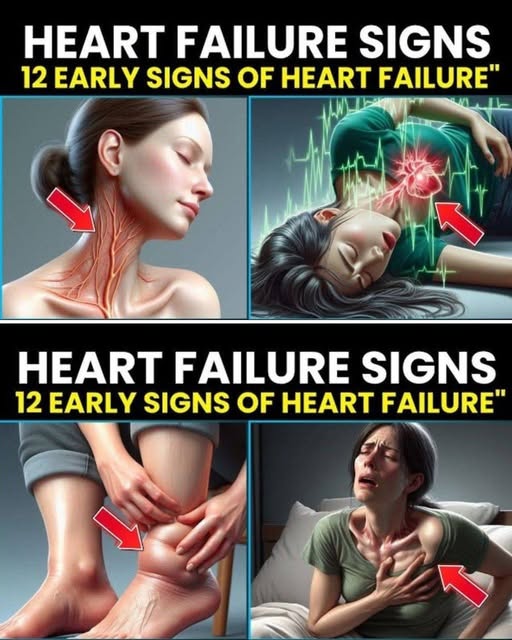
That is why recognizing changes early matters. Common warning signs include shortness of breath, unusual fatigue, swelling, persistent coughing, changes in appetite, and a racing heartbeat.
## 1. Shortness of Breath During Normal Activities
One of the earliest symptoms some people notice is becoming unusually breathless during activities that used to feel easy.
This might happen while:
* Climbing stairs
* Walking around the house
* Carrying groceries
* Getting dressed
* Doing light household chores
As heart failure progresses, breathlessness can occur with less and less activity. The NIH notes that shortness of breath during ordinary activities may be one of the first noticeable symptoms.
New or worsening breathlessness deserves medical attention, particularly if you also have heart disease or major cardiovascular risk factors.
## 2. Difficulty Breathing When Lying Flat
Some people feel reasonably comfortable when sitting upright but become short of breath after lying down.
They may:
* Need extra pillows to sleep
* Prefer sleeping partly upright
* Wake up feeling breathless
* Need to sit or stand to breathe comfortably again
This can happen when fluid backs up toward the lungs. The American Heart Association lists difficulty breathing while lying flat and sudden breathlessness during sleep among important heart-failure symptoms.
## 3. Swelling in the Feet, Ankles, or Legs
Heart failure can cause the body to retain fluid.
One of the most noticeable signs is swelling, known as **edema**, especially around the:
* Feet
* Ankles
* Lower legs
Shoes may suddenly feel tighter, sock marks may become deeper, or the ankles may look noticeably puffier by the end of the day.
Fluid may also accumulate in the abdomen or other tissues.
Swelling has many possible causes, so it does not automatically mean heart failure. Persistent or worsening swelling should nevertheless be evaluated.
## 4. Unusual Fatigue and Weakness
Feeling tired occasionally is normal.
Heart-failure fatigue is more concerning when ordinary activities suddenly require much more effort than they used to.
A person may notice that:
* Walking feels exhausting
* Shopping becomes unusually difficult
* The legs feel weak
* They need frequent rest breaks
* Everyday tasks feel disproportionately tiring
When the heart cannot pump enough blood to meet the body’s needs, muscles and other tissues may receive less oxygen-rich blood, contributing to fatigue.
## 5. Persistent Coughing or Wheezing
A cough is usually associated with respiratory illness, allergies, or irritation.
The American Heart Association notes that some people may cough up white or pink, blood-tinged mucus.
A cough is particularly worth discussing with a clinician when it occurs together with:
* Shortness of breath
* Leg swelling
* Difficulty lying flat
* Unusual fatigue
## 6. Sudden Weight Gain
Unexpected weight gain over a short period can sometimes reflect **fluid retention rather than body fat**.
This is especially important for people who have already been diagnosed with heart failure.
The American Heart Association advises patients with heart failure to monitor their weight because sudden increases can signal worsening fluid buildup. Their guidance notes that gains of roughly 2–3 pounds in a day or 5 pounds in a week may warrant contacting the healthcare team, although individual instructions can vary.
People without a diagnosis should not use weight changes alone to diagnose heart failure.
## 7. A Racing or Pounding Heartbeat
When the heart’s pumping ability falls, it may try to compensate by beating faster.
Some people notice:
* Racing heartbeat
* Pounding in the chest
* Fluttering
* Palpitations
The American Heart Association lists an increased heart rate and palpitations among common symptoms of heart failure.
Palpitations can have many other causes, including stress, caffeine, thyroid problems, and abnormal heart rhythms, so persistent episodes deserve evaluation.
## 8. Loss of Appetite, Nausea, or Feeling Full Quickly
Digestive symptoms may seem unrelated to the heart, but they can occur in heart failure.
Reduced blood flow to the digestive system and fluid buildup may contribute to:
* Poor appetite
* Nausea
* Feeling full after small amounts of food
* Abdominal discomfort
The American Heart Association includes lack of appetite and nausea among recognized heart-failure symptoms.
These symptoms are nonspecific, but their appearance alongside breathlessness, swelling, or fatigue makes medical evaluation more important.
## 9. Brain Fog or Confusion
Some people with heart failure experience changes in thinking.
Possible signs include:
* Forgetfulness
* Difficulty concentrating
* Confusion
* Disorientation
* Feeling mentally slower than usual
Family members may notice these changes before the person does. The American Heart Association lists confusion and impaired thinking among possible signs of heart failure.
Sudden confusion can also signal other serious conditions and should be assessed urgently.
## Why Heart Failure Can Be Easy to Miss Early
The body is remarkably good at compensating when the heart begins to struggle.
The heart may initially:
* Beat faster
* Enlarge
* Pump more forcefully
* Trigger blood vessels to narrow
The kidneys may also retain more salt and water to maintain blood pressure.
These responses can temporarily hide symptoms, which helps explain why some people do not realize anything is wrong until the condition becomes more advanced.
## Heart Failure Is Not the Same as a Heart Attack
These two conditions are related but different.
A **heart attack** usually occurs when blood flow through a coronary artery becomes suddenly blocked, damaging heart muscle.
**Heart failure** means the heart cannot pump blood effectively enough to meet the body’s needs.
A heart attack can damage the heart enough to contribute to heart failure later, but heart failure can also result from other conditions such as:
* Long-standing high blood pressure
* Coronary artery disease
* Cardiomyopathy
* Heart-valve disease
* Abnormal heart rhythms
## Who Is at Greater Risk?
The likelihood of heart failure increases with certain conditions and risk factors.
These include:
* High blood pressure
* Coronary artery disease
* Previous heart attack
* Diabetes
* Obesity
* Cardiomyopathy
* Heart-valve disease
* Certain abnormal heart rhythms
* Family history of cardiomyopathy
The American Heart Association identifies these among important contributors to heart-failure risk.
## How Is Heart Failure Diagnosed?
Symptoms alone cannot confirm heart failure.
A healthcare professional may use several tests depending on the situation, including:
* Physical examination
* Blood tests
* Electrocardiogram (ECG/EKG)
* Chest X-ray
* Echocardiogram
* Exercise testing
* Cardiac MRI or other imaging
An echocardiogram is particularly useful because it can show the heart’s structure and how well it pumps.
## When Should You Contact a Doctor?
Arrange medical evaluation if you develop new or persistent symptoms such as:
* Increasing breathlessness
* Swollen legs or ankles
* Persistent coughing or wheezing
* Unexplained fatigue
* Difficulty breathing while lying flat
* Unexpected rapid weight gain
* Repeated palpitations
* Reduced appetite or nausea
The American Heart Association recommends reporting possible heart-failure symptoms even in people who have not previously been diagnosed with heart disease.
## When Is It an Emergency?
Seek emergency medical care for symptoms such as:
* Severe difficulty breathing at rest
* Fainting or loss of consciousness
* New severe chest pain or pressure
* Sudden severe weakness
* Blue or gray lips
* Rapidly worsening symptoms
Chest pain may represent a heart attack rather than heart failure alone and should never be ignored.
## Can Heart Failure Be Treated?
Yes.
Heart failure is generally a long-term condition, but modern treatments can improve symptoms, reduce hospitalizations, and help many people live longer and more active lives.
Treatment depends on the type and severity of heart failure and may include:
* Prescription medications
* Managing blood pressure and diabetes
* Reducing excess fluid
* Appropriate physical activity
* Dietary changes
* Medical devices in selected patients
* Procedures or surgery when necessary
The specific treatment plan should always be individualized by a healthcare team.
## The Bottom Line
Heart failure may begin with symptoms that seem surprisingly ordinary.
**Shortness of breath, difficulty lying flat, swelling in the legs, unexplained fatigue, persistent coughing, sudden fluid-related weight gain, palpitations, appetite changes, and confusion** can all occur as the heart becomes less able to meet the body’s needs.
None of these symptoms alone proves that someone has heart failure. Many other conditions can cause similar problems.
But when symptoms are new, persistent, or worsening—especially when several appear together—it is worth getting checked rather than dismissing them as normal aging or tiredness.
Recognizing changes early can lead to earlier diagnosis and treatment, which can make a meaningful difference.