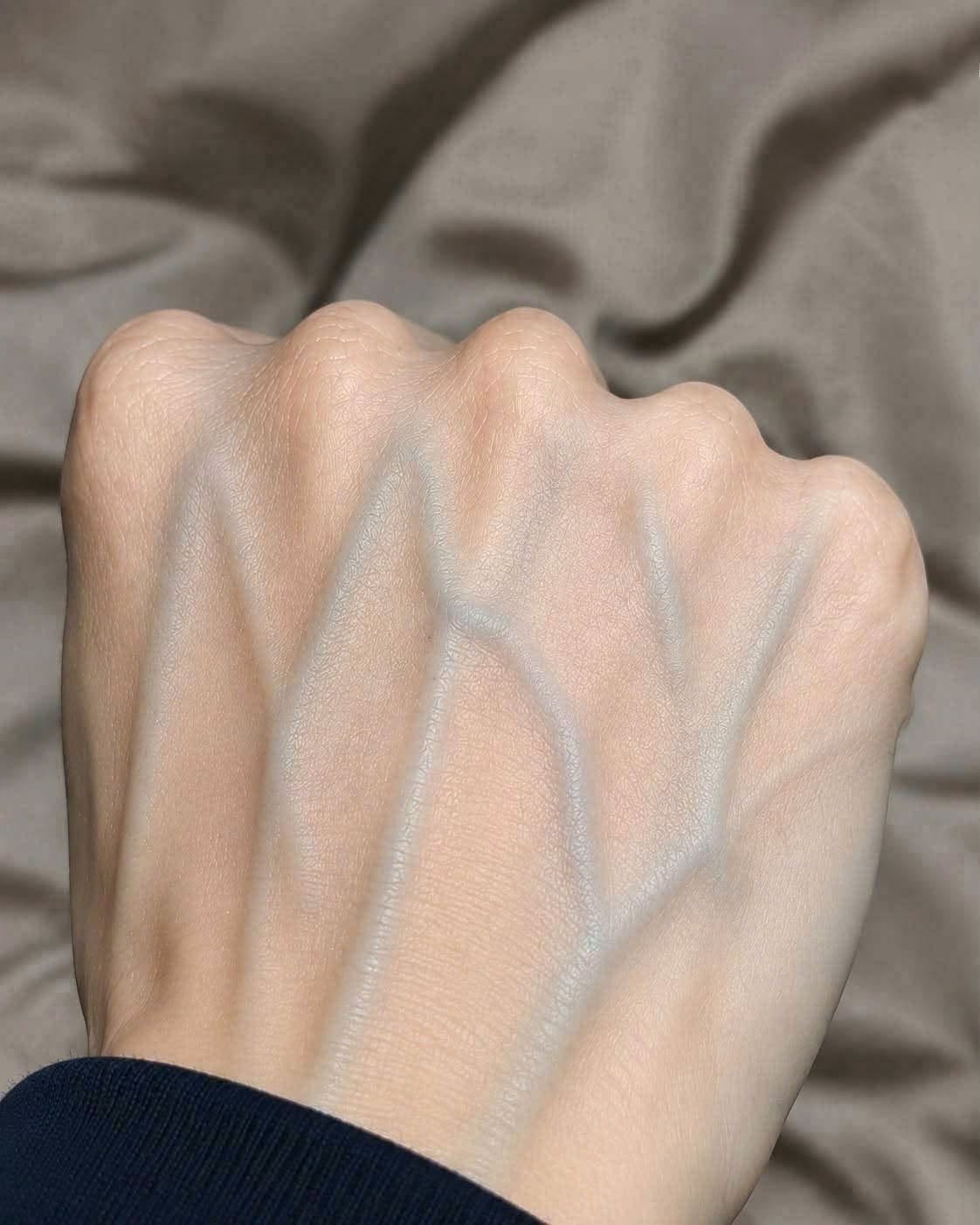
Have you ever looked at your hands and wondered why the veins stand out so clearly, especially on the back of your hands? It’s a question many people ask — and the good news is that in most cases, visible veins are normal and not a sign of something serious.
As we get older, changes in our skin, circulation, and body composition can make veins more noticeable. Understanding why this happens can help you feel more confident and aware of your own body.
Why Are Your Veins More Visible?
Visible veins on the hands can be influenced by several natural factors:
1. Thinning Skin With Age
As we age, the outer layer of skin becomes thinner and loses some of its fat padding. This makes the veins underneath more visible because there is less tissue covering them. In younger people, thicker skin and more subcutaneous fat often hide the veins more effectively.
2. Reduced Body Fat
Low levels of body fat — whether due to genetics, diet, exercise, or aging — make the veins closer to the surface of the skin more prominent. This is especially noticeable on the hands and forearms, where the layer of fat is naturally thinner.
3. Increased Blood Flow
Activities that increase blood flow — such as exercise or exposure to heat — can temporarily make veins more visible. When your heart pumps harder, veins expand to carry more blood, causing them to stand out.
4. Genetics and Individual Variations
Some people naturally have more visible veins due to genetic factors. If your parents or grandparents had prominent veins, you might too.
5. Hydration and Body Temperature
Being well-hydrated or warm can also make veins more apparent, as temperature and fluid balance affect circulation.
When Visible Veins Are Usually Harmless
In most cases, veins that show through the skin are nothing to worry about. They are simply a normal anatomical feature.
You might notice that your veins look more pronounced when:
- You’re exercising
- It’s hot or humid
- Your hands are warm
- You’re older
- You’re lean with low body fat
These situations increase blood flow or reduce the layer between the skin and veins, making them easier to see.
When Should You Be Concerned?
Although visible veins are normally harmless, there are certain situations where you should pay attention:
1. Pain or Tenderness
If a vein becomes painful, sore, or tender to the touch, it’s worth talking to a healthcare provider.
2. Rapid Changes in Appearance
Sudden or dramatic changes in the appearance of veins — especially if accompanied by swelling or redness — could be a sign of vascular issues.
3. Signs of Blood Clots
Symptoms such as one arm feeling warm, swollen, or painful, or visible red streaks along the vein, warrant immediate medical evaluation.
4. Other Unusual Symptoms
If visible veins are accompanied by unexplained fatigue, dizziness, shortness of breath, or changes in skin color, seek medical advice.
How to Support Healthy Circulation
Even though visible veins are usually not a medical issue, supporting your blood circulation can be good for overall health. Simple lifestyle habits can help:
Stay Active
Regular physical activity — like walking, swimming, or cycling — helps improve circulation and keeps blood flowing smoothly through your veins.
Stay Hydrated
Drinking enough water supports healthy blood volume and circulation.
Balanced Nutrition
Eating foods rich in antioxidants, vitamins (especially vitamin C and E), and healthy fats (like omega-3s) can support vascular health.
Comfortable Clothing
Avoid tight accessories or bracelets that squeeze your wrists for long periods, as they can affect circulation temporarily.
Final Thoughts
Visible veins on your hands are usually a normal part of how your body changes over time. Thinning skin, aging, exercise, and genetics are all common reasons why veins may appear more prominent.
In most cases, there is no danger in having visible veins on your hands. However, if you ever notice pain, sudden changes, or other unusual symptoms, it’s always wise to check with a healthcare professional.
Understanding what your body is telling you helps you take better care of yourself — and peace of mind is just as important as physical well-being.