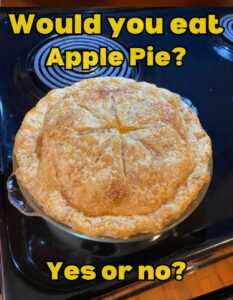
There are some desserts that don’t just satisfy a sweet tooth — they carry memories. Dutch Apple Pie is one of those recipes. The kind that fills the kitchen with the scent of cinnamon before the oven timer even rings. The kind that makes you hover near the stove, sneaking glances through the oven door as the crumb topping turns golden and the apples bubble gently underneath.
Also known as Apple Crumble Pie, this beloved dessert is a beautiful marriage of two worlds: the comfort of a traditional apple pie and the irresistible texture of a buttery streusel topping. It’s rustic, unfussy, and deeply familiar — the sort of pie that feels like it has always existed, whether it came from a grandmother’s recipe box, a handwritten church cookbook, or a memory of autumn afternoons long gone.
Unlike the classic double-crust apple pie, Dutch Apple Pie skips the top pastry layer in favor of something even more tempting: a crumbly topping made with flour, butter, and sugar that bakes into a crisp, golden blanket over tender apples. Each bite offers contrast — soft fruit, warm spice, and crunchy topping — and that contrast is exactly what makes this pie so unforgettable.
This is the pie that sat cooling on windowsills. The pie served after Sunday dinner. The pie brought to potlucks and neighborhood gatherings because everyone loved it, and everyone asked for the recipe.
In this article, we’ll take a slow, nostalgic walk through the story of Dutch Apple Pie — its roots, its rise in American kitchens, the ingredients that make it special, and the small old-fashioned tips that turn a good pie into a great one. By the end, you’ll not only know how to make it — you’ll understand why it has lasted for generations.
What Is Dutch Apple Pie?
Dutch Apple Pie, often called Apple Crumble Pie or Apple Streusel Pie, is a variation of traditional apple pie distinguished by its crumb topping instead of a top crust.
Where classic apple pie relies on a second layer of pastry, Dutch Apple Pie replaces that with a mixture of flour, sugar, and butter. As it bakes, this topping becomes crisp and golden, soaking up some of the apple juices while still providing a satisfying crunch.
The filling beneath is familiar and comforting: thinly sliced apples tossed with sugar, cinnamon, and a touch of flour to thicken the juices. The bottom crust remains tender but sturdy, especially when baked properly — a hallmark of a well-made pie.
It’s a pie that doesn’t try to be fancy. It’s honest. Practical. Built for flavor rather than decoration. And that simplicity is exactly why it became so beloved.
A Look Back: The Origins of Dutch Apple Pie
Despite the name, Dutch Apple Pie as we know it today is more American than European.
In the Netherlands, apple desserts often took the form of cakes or tarts, sometimes topped with crumbs, sometimes latticed, but rarely identical to the American version. When Dutch immigrants arrived in the United States — particularly in Pennsylvania and the Midwest — they brought their baking traditions with them.
Over time, those traditions blended with American pantry staples and preferences. Butter became more abundant. White sugar replaced some of the darker sweeteners. Apples were plentiful, especially in northern states. The crumb topping became more generous, more buttery, and more indulgent.
By the early 20th century, Dutch Apple Pie had cemented its place in American home baking. It appeared in community cookbooks, farmhouse kitchens, and diner menus. During the Depression, it was favored because it used simple, affordable ingredients. During wartime, it remained popular because apples were accessible and filling.
By the 1950s and 60s, Dutch Apple Pie was everywhere — baked for holidays, served at coffee hours, and enjoyed year-round with nothing more than a fork and a cup of coffee.
Why Dutch Apple Pie Feels So Comforting
There’s something deeply soothing about this pie, and it goes beyond taste.
Part of it is the texture. The crumb topping offers a satisfying crunch that contrasts beautifully with the soft apples beneath. Each bite feels complete.
Part of it is the aroma. Cinnamon and apples baking together have a way of signaling comfort before the first slice is even cut. It’s a scent that instantly feels like home.
And part of it is the familiarity. Dutch Apple Pie doesn’t surprise you — it reassures you. It tastes the way you expect it to taste, and somehow, that makes it even better.
Ingredients for Dutch Apple Pie (Apple Crumble Pie)
For the Apple Filling
½ cup white granulated sugar
2 tablespoons brown sugar
¼ cup all-purpose flour
¾ teaspoon ground cinnamon
6 cups thinly sliced, peeled apples
(Jonagold or Granny Smith recommended)
For the Dutch Apple Crumble Topping
¾ cup all-purpose flour
¼ cup white granulated sugar
¼ cup brown sugar
⅓ cup butter, room temperature
For the Crust
1 homemade pie crust (9-inch)
Homemade Dutch Apple Crumble Topping
The topping is what sets this pie apart.
Made with flour, white sugar, brown sugar, and butter, it should be crumbly but not dry. When pinched between your fingers, it should hold together slightly, then fall apart easily.
As it bakes, the butter melts and the sugars caramelize, creating that signature crisp layer that contrasts so beautifully with the apples below.
Step-by-Step: How to Make Dutch Apple Pie
1. Prepare the Apples
Peel and thinly slice six cups of apples. Uniform slices ensure even cooking.
Place them in a large bowl and toss with white sugar, brown sugar, flour, and cinnamon until evenly coated.
2. Prepare the Pie Crust
Line a pie dish with your homemade crust. Before adding the filling, sprinkle 2–3 teaspoons of flour over the bottom. This old-fashioned trick absorbs excess juice and helps prevent a soggy crust.
3. Fill the Pie
Spoon the apple mixture into the crust, spreading it evenly.
4. Make the Crumble Topping
In a separate bowl, combine flour, white sugar, brown sugar, and butter. Use a pastry blender or your fingertips to mix until crumbly.
Sprinkle the topping evenly over the apples, gently patting it down just enough so it stays in place.
5. Bake to Perfection
Bake at 375°F for 25 minutes. Then add a pie crust shield or loosely cover the edges with foil to prevent over-browning.
Continue baking for another 20–25 minutes, until the topping is golden and the filling is bubbling.
6. Cool and Set
Cool the pie on a wire rack for at least one hour. This allows the filling to set properly and makes slicing easier.
..
So many of you have asked for a printable version of this recipe — and we love that.
While we work on a better on-site solution, we’ve made a simple, old-fashioned one-page printable available in our Etsy shop. We kept the price low to help cover Etsy’s fees, and every purchase helps support this website and the recipes you love.

How to Tell When Your Pie Is Done
There are two reliable signs:
Gentle bubbling from the apple filling.
A golden bottom crust when carefully lifted and checked.
If either isn’t quite there, bake for five more minutes and check again.
Serving Dutch Apple Pie the Old-Fashioned Way
Dutch Apple Pie is wonderful on its own, but it truly shines when paired with something simple.
A scoop of vanilla ice cream
Freshly whipped cream
A slice served warm with black coffee
Cold leftovers straight from the refrigerator (a guilty pleasure many won’t admit)
It’s a pie that doesn’t demand embellishment — just appreciation.
Why This Pie Never Goes Out of Style
Trends come and go, but Dutch Apple Pie remains.
It survives because it’s practical. Because it’s comforting. Because it tastes like something worth passing down.
In a world that often rushes, this pie asks you to slow down — to peel apples, to smell cinnamon, to wait for the filling to set, and to savor each bite.
And that might be its greatest gift.
Frequently Asked Questions
What is the difference between Dutch Apple Pie and regular apple pie?
Dutch Apple Pie uses a crumb or streusel topping instead of a top pastry crust, giving it a crisp texture and buttery flavor.
What apples are best for Dutch Apple Pie?
Tart apples like Jonagold or Granny Smith work best because they hold their shape and balance the sweetness.
How do I prevent a soggy bottom crust?
Sprinkle a small amount of flour on the crust before adding the filling and bake until the bottom is golden.
Can Dutch Apple Pie be made ahead?
Yes. It can be baked a day in advance and stored at room temperature or refrigerated.
Should Dutch Apple Pie be refrigerated?
It can be kept at room temperature for one day or refrigerated for up to four days.