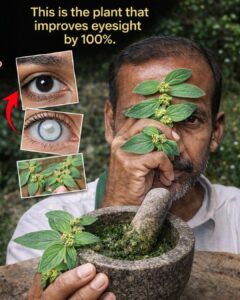
Tired, strained eyes from long screen time, reading, or daily fatigue can leave you feeling frustrated and uncomfortable, with that nagging dryness, heaviness, or mild irritation making everyday tasks harder. Many people turn to eye drops or rest, but the relief often feels temporary, leaving you searching for gentler, natural ways to support eye relaxation and overall comfort. While modern medicine offers proven solutions, traditional herbal practices have long highlighted certain plants for soothing support—and one unassuming weed stands out in folklore for its potential role in promoting relaxed, refreshed eyes. But here’s the intriguing part: this everyday herb’s milky sap has sparked both ancient wisdom and modern curiosity, though its true value lies in careful, external traditional applications rather than miracle cures.
What Exactly Is Big-Leaf Milkweed (Euphorbia hirta)?
Big-Leaf Milkweed, scientifically known as Euphorbia hirta, is a small, hardy annual herb often dismissed as a common weed. It thrives in tropical and subtropical areas, popping up in gardens, farmlands, roadsides, and slightly moist soils.
You can easily spot it by these distinctive features:
Broad, oval leaves that are slightly hairy
A noticeable reddish central vein on each leaf
Tiny flowers clustered together
Pinkish or reddish stems
Milky white sap when broken (hence the “milkweed” name)
This plant grows low to the ground, spreading up to about 40 cm, and is widespread across regions like Asia, Africa, and the Americas. Its unpretentious appearance belies a rich history in traditional wellness practices.
Why Traditional Healers Link This Herb to Eye Comfort
In many cultures, especially in parts of Asia and Africa, Euphorbia hirta has been valued for generations as part of natural approaches to supporting eye relaxation and reducing everyday discomfort. Traditional beliefs focus on its cooling and soothing qualities, which may help ease visual fatigue and promote a sense of calm around the eyes.
But here’s an important clarification: the plant is never applied directly into the eyes in traditional use. Instead, practices involve external methods only, like compresses or pastes around the area, to avoid any risk from the sap’s natural irritant properties (common in the Euphorbia family).
Studies have noted traditional mentions of using the herb for issues like conjunctivitis symptoms or eyelid styes, often through diluted or external preparations, highlighting its long-standing cultural role in supporting eye wellness.
Traditional Benefits Often Attributed to the Plant
Traditional systems praise Euphorbia hirta for several properties that could indirectly contribute to eye comfort:
Anti-inflammatory effects — The herb has a history of soothing irritation and reducing swelling in various applications.
Antioxidant potential — Like many green plants, it contains natural compounds (such as flavonoids and polyphenols) that may help protect cells from everyday oxidative stress, according to various research reviews.
General soothing support — Its cooling nature is believed to ease strain and promote relaxation.
Research has explored these aspects, with studies showing promising anti-inflammatory and antioxidant activities in lab models, though more human-focused work is needed.
But that’s not all… the real draw comes from how people have used it practically over centuries.
Common Traditional Uses for Eye Relaxation Support
Here are some of the most frequently mentioned traditional methods (always consult a professional before trying any herbal approach):
Warm Leaf Compress for Tired Eyes
Gently wash fresh, clean leaves.
Warm them slightly (never hot).
Place on closed eyelids for 10-15 minutes to help relax eye muscles and ease fatigue.
Herbal Infusion for Overall Wellness
Prepare a mild tea from the plant (very diluted).
Drink occasionally as part of a balanced routine to support general vitality, which may indirectly benefit eye comfort.
Gentle Leaf Paste Around the Eyes
Crush clean leaves into a soft paste.
Apply sparingly to temples or around (not in) the eyes for cooling relief.
These methods emphasize external, careful use—never internal eye contact.
Quick Comparison of Traditional Eye-Soothing Approaches
Warm compress: Best for quick relaxation after screen time
Herbal drink: Supports overall balance and vitality
Paste application: Targets mild external discomfort
Why Big-Leaf Milkweed Suddenly Went Viral Online
In late 2025, videos and posts exploded with claims of dramatic eyesight improvements—some even promising “100% better vision.” While these exaggerations drove massive curiosity, they overlook the plant’s real cultural value.
Social media loves easy-to-find natural remedies, and eye health topics always resonate deeply. The herb’s availability and generational use made it perfect for viral content. Yet science reminds us: no plant replaces professional eye care or corrects vision issues.
Actionable Tips: How to Approach This Herb Safely Today
If you’re curious about incorporating traditional herbal support:
Identify correctly — Look for the hairy leaves, reddish vein, and milky sap to avoid mix-ups.
Start small — Test a tiny external compress on your skin first to check for sensitivity.
Prioritize safety — Use only clean, pesticide-free plants; wash thoroughly.
Combine wisely — Pair with proven habits like the 20-20-20 rule (every 20 minutes, look 20 feet away for 20 seconds).
Seek guidance — Talk to a herbalist or healthcare provider familiar with traditional remedies.
These steps let you explore responsibly while respecting the plant’s potency.
Final Thoughts
Big-Leaf Milkweed may look like just another weed, but its place in traditional wellness—especially for soothing eye comfort—has endured for centuries. Its potential anti-inflammatory and antioxidant qualities offer intriguing support for relaxation and vitality, though always as a complementary approach.
While it won’t deliver miracle vision fixes, appreciating this humble plant can remind us of nature’s subtle ways to nurture everyday comfort.
Frequently Asked Questions (FAQ)
Is Euphorbia hirta safe for everyone?
Generally, traditional external use appears well-tolerated in folklore, but the sap can irritate skin or eyes in sensitive people. Avoid if pregnant, breastfeeding, or with known allergies.
Can this herb improve eyesight permanently?
No scientific evidence supports claims of vision restoration. It may aid relaxation, but consult an eye specialist for any vision concerns.
Where can I find Big-Leaf Milkweed?
It grows wild in many tropical areas, but forage responsibly or source from trusted herbal suppliers.
Disclaimer:
This article is for informational purposes only and not a substitute for professional medical advice. Always consult a qualified healthcare provider before using any herbal remedy, especially for eye-related concerns. Individual results vary, and some plants may cause irritation or allergic reactions. Never apply anything directly into the eyes without expert supervision.