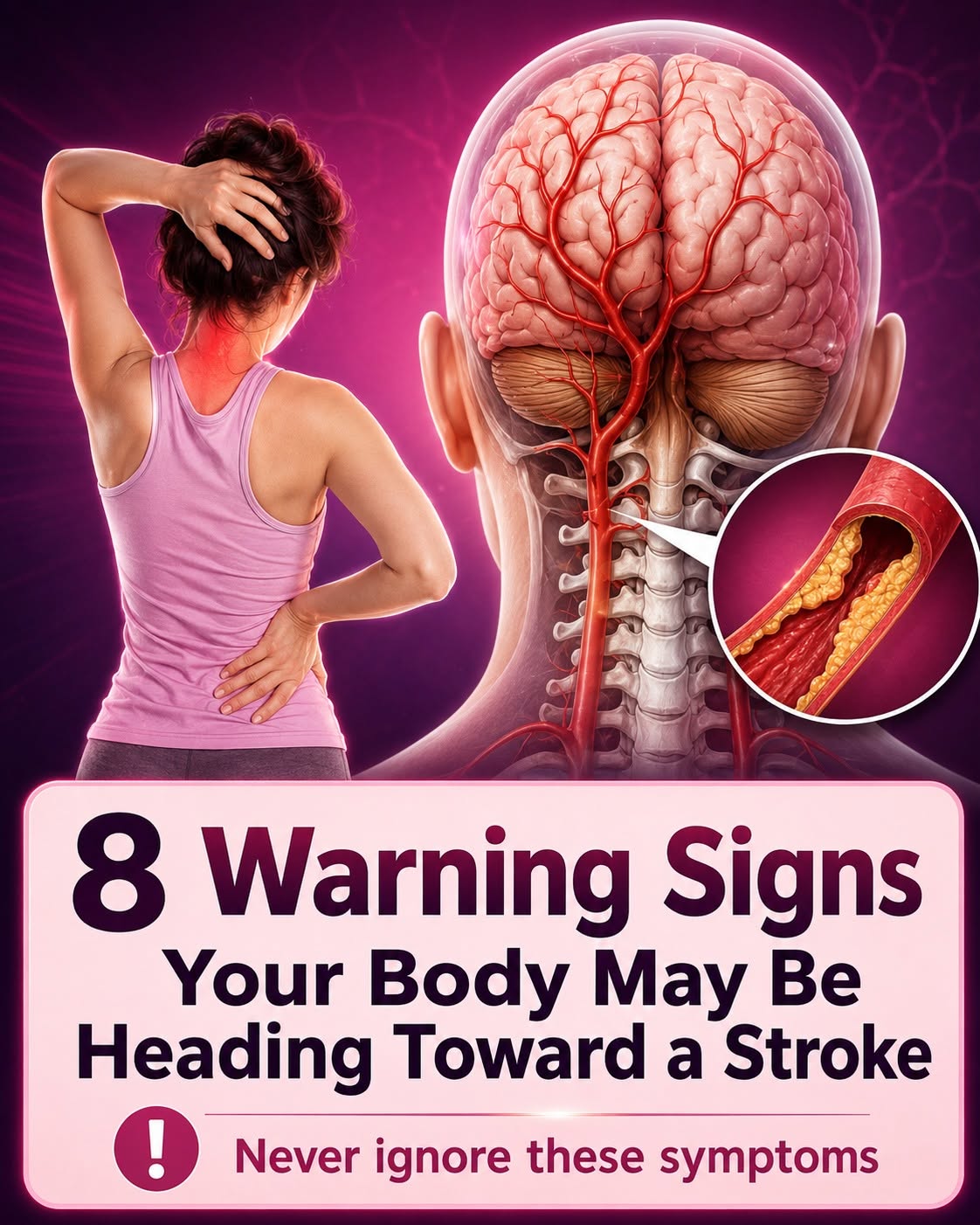
# 8 Warning Signs of a Stroke You Should Never Ignore
A stroke can happen suddenly, and every minute matters. When blood flow to part of the brain is blocked or a blood vessel bursts, brain cells begin to die within minutes. That is why recognizing the warning signs quickly can make a major difference in treatment, recovery, and long-term outcomes.
The problem is that many early signs are easy to dismiss. Some people think the symptoms will pass on their own, while others mistake them for fatigue, stress, migraine, or low blood sugar. Unfortunately, delaying medical care can be dangerous.
Here are eight warning signs of a stroke you should never ignore.
## What Is a Stroke?
A stroke happens when the brain does not get the blood and oxygen it needs. There are two main types:
* **Ischemic stroke**, caused by a blocked blood vessel
* **Hemorrhagic stroke**, caused by bleeding in or around the brain
There is also something called a **transient ischemic attack (TIA)**, often called a mini-stroke. Its symptoms may go away quickly, but it is still a serious warning sign and needs urgent medical evaluation.
## 1. Sudden Numbness or Weakness on One Side of the Body
One of the most common warning signs is sudden weakness or numbness, especially on only one side of the body.
This may affect the:
* Face
* Arm
* Hand
* Leg
If this happens suddenly, it should always be treated seriously.
## 2. Facial Drooping
A stroke can affect the nerves and muscles of the face.
You may notice that:
* One side of the face droops
* The smile looks uneven
* The mouth appears pulled to one side
* The person cannot smile normally
A simple way to check is to ask the person to smile. If one side does not move properly, emergency help should be sought immediately.
## 3. Trouble Speaking or Understanding Speech
A stroke can interfere with the brain’s language centers. That may cause:
* Slurred speech
* Difficulty finding words
* Saying words that do not make sense
* Trouble understanding what others are saying
Some people know what they want to say but cannot get the words out clearly. Others may sound confused or unable to respond appropriately.
Any sudden speech problem is a major warning sign.
## 4. Sudden Confusion
Confusion can be another important clue.
A person having a stroke may suddenly:
* Seem disoriented
* Have trouble following a conversation
* Struggle to answer simple questions
* Act unlike themselves
Because confusion can happen for many reasons, it is important to look at it together with other symptoms such as weakness, speech trouble, or dizziness.
## 5. Sudden Vision Problems
A stroke can affect vision in one or both eyes.
Possible symptoms include:
* Blurred vision
* Double vision
* Partial loss of vision
* Sudden trouble seeing clearly
Some people describe it as a shadow, a dark area, or sudden visual distortion. Any unexplained and sudden change in vision should be evaluated urgently.
## 6. Trouble Walking, Dizziness, or Loss of Balance
A stroke can interfere with coordination and balance.
Warning signs may include:
* Sudden dizziness
* Trouble walking
* Loss of balance
* Lack of coordination
* Feeling unusually unsteady
These symptoms may be especially important if they happen together with speech problems, vision changes, or weakness on one side.
## 7. A Sudden Severe Headache
A sudden, intense headache can sometimes be a sign of stroke, especially a hemorrhagic stroke.
This type of headache may:
* Start very suddenly
* Feel unusually severe
* Be different from a person’s normal headaches
* Be accompanied by nausea, vomiting, confusion, or neurological symptoms
Not every severe headache means stroke, but a sudden “worst headache of your life” requires emergency medical attention.
## 8. Sudden Arm Weakness or Inability to Raise Both Arms
Arm weakness deserves special attention because it is part of the well-known stroke check used in emergency awareness campaigns.
Ask the person to raise both arms. If one arm drifts downward, feels weak, or cannot be lifted properly, it may be a sign of stroke.
Even if the weakness seems mild or temporary, it should not be ignored.
## Why Acting Fast Is So Important
With stroke, time is critical. Some treatments work best when given very early after symptoms begin. The sooner a person gets medical care, the better the chance of limiting brain damage and improving recovery.
Never wait to see if the symptoms disappear.
Even if symptoms improve after a few minutes, that could still be a **TIA**, which may be a warning that a more serious stroke could happen soon.
## Remember BE FAST
A simple way to remember common stroke symptoms is **BE FAST**:
### **B – Balance**
Sudden loss of balance or coordination
### **E – Eyes**
Sudden trouble seeing in one or both eyes
### **F – Face**
Facial drooping or uneven smile
### **A – Arms**
Weakness or numbness in one arm
### **S – Speech**
Slurred speech or trouble speaking
### **T – Time**
Time to call emergency services immediately
This quick checklist can help you recognize a stroke faster and respond appropriately.
## What To Do If You Suspect a Stroke
If you think someone may be having a stroke:
1. **Call emergency services immediately**
2. **Note the time symptoms started**
3. **Keep the person safe and seated if possible**
4. **Do not give food, drink, or medication unless instructed by medical professionals**
5. **Stay calm and monitor the person until help arrives**
Do not try to drive long distances or wait for the symptoms to pass. Emergency medical teams can begin urgent care sooner.
## Stroke Risk Factors to Know
Some people are at greater risk of stroke than others. Common risk factors include:
* High blood pressure
* Smoking
* Diabetes
* High cholesterol
* Obesity
* Heart disease
* Atrial fibrillation
* Physical inactivity
* Heavy alcohol use
* Older age
While not every stroke can be prevented, managing these risk factors can help lower the risk.
## The Bottom Line
A stroke is always a medical emergency. Sudden numbness, facial drooping, speech trouble, confusion, vision changes, balance problems, severe headache, and arm weakness are among the most important warning signs.
The safest response is simple: **take symptoms seriously and get emergency help fast**.
Recognizing the signs early could help save a life and reduce the risk of permanent disability.