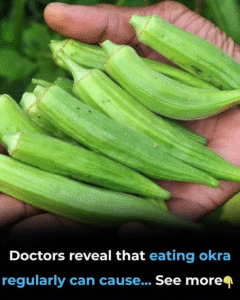
You’ve seen it fried, stewed in gumbo, or pickled as a tangy snack—but have you ever wondered what okra is really doing inside your body?
Discover more
Cheese
pasta
Eggs
Salt
Slow Cooker
Apple
Cake
salt
Nutmeg
Slow cooker
This humble green pod—often overlooked or even dismissed for its “slimy” texture—is quietly packed with nutrients that support heart health, blood sugar balance, and digestion.
And while it won’t cure disease overnight, eating okra regularly may offer real, measurable benefits—especially for those managing diabetes, cholesterol, or digestive issues.
Discover more
Eggs
Cake
pasta
Cheese
salt
Salt
Slow Cooker
Apple
Spiced
Pasta
But is it right for you?
Let’s explore what doctors and nutrition scientists actually say about making okra a regular part of your diet.
🥦 What Is Okra? A Nutritional Powerhouse
Discover more
Apple
Slow Cooker
salt
Cake
Eggs
Cheese
pasta
Salt
Caramel
Spice
Okra (Abelmoschus esculentus) is a flowering plant in the mallow family, prized across Africa, the Middle East, the American South, and India for its versatility and nutrition.
Per 1 cup (100g) of raw okra, you get:
33 calories
Discover more
Cheese
salt
Eggs
pasta
Apple
Cake
Salt
Slow Cooker
nutmeg
spiced
3g fiber (11% of daily needs)
Vitamin C (26% DV) – supports immunity
Discover more
Salt
Cheese
Apple
pasta
salt
Slow Cooker
Cake
Eggs
nutmeg
Caramel
Vitamin K (27% DV) – crucial for blood clotting and bone health
Folate (15% DV) – essential for cell growth
Discover more
Eggs
pasta
Cheese
salt
Cake
Slow Cooker
Apple
Salt
Spice
Egg
Magnesium, potassium, and antioxidants like quercetin and lutein
💡 Fun fact: Okra’s “slime” (called mucilage) is a soluble fiber—the same type found in oats and flaxseed—that helps slow digestion and stabilize blood sugar.
✅ 5 Science-Backed Benefits of Eating Okra Regularly
Okra is high in oxalates, which can contribute to calcium-oxalate kidney stones in susceptible individuals.
Discover more
Eggs
Apple
Cake
salt
Cheese
pasta
Salt
Slow Cooker
Slow cooker
Parmesan
💧 Prevention: Drink plenty of water and pair with calcium-rich foods to bind oxalates.
2. Those on Blood Thinners (Like Warfarin)
Discover more
Eggs
Cheese
Cake
Slow Cooker
Apple
salt
pasta
Salt
Spice
Egg
Okra is rich in vitamin K, which plays a key role in blood clotting.
🩺 Important: If you take warfarin, keep vitamin K intake consistent—don’t suddenly eat large amounts of okra.
3. People with IBS or Sensitive Digestion
For some, okra’s mucilage or fiber may cause bloating or gas—especially when eaten raw.
✅ Fix: Cook thoroughly (roasting or sautéing reduces sliminess and improves digestibility).
🍳 How to Enjoy Okra (Without the Sliminess!)
Roast it: Toss with olive oil, salt, and paprika; roast at 425°F until crisp
Grill or air-fry: High heat caramelizes and dries out mucilage
Stir-fry quickly: Don’t overcook—keep it crisp-tender
Add to soups/stews: The slime thickens gumbo naturally (it’s a feature, not a bug!)
Avoid boiling: This maximizes sliminess
🌶️ Pro tip: A splash of acid (lemon juice, vinegar) during cooking reduces mucilage.
💬 Final Thought: Embrace the Pod
Okra isn’t a miracle cure—but it is a nutrient-dense, affordable, and versatile vegetable that deserves a place at the table.
Whether you’re managing blood sugar, supporting heart health, or just exploring global cuisines, this green pod offers quiet, consistent nourishment.
So next time you see okra at the market, give it a chance—roasted, grilled, or stirred into a stew.
Your body might just thank you in ways you never expected.
🌱 Because sometimes, the most powerful foods are the ones we’ve overlooked all along.